Constella Intelligence

Revolutionizing Identity Theft with AI

How are we revolutionizing identity theft with AI? In an age where digital footprints are as unique as fingerprints, the concept of identity has become the new perimeter in cybersecurity. Each compromised identity represents a potential vulnerability, an entry point that can be exploited through sophisticated identity attacks. Against this backdrop, Constella Intelligence leads the charge against digital identity threats with a cutting-edge, AI-driven approach. This comprehensive strategy not only anticipates potential threats but also actively engages users in safeguarding their digital presence through innovative technologies and simulations. Here’s a closer look at how Constella is reshaping the landscape of identity theft protection.

Introduction to AI-Driven Identity Theft

As we navigate the digital age, marked by unparalleled connectivity and convenience, we’re also faced with sophisticated threats to personal identity security. Cybercriminals are constantly crafting new methods to exploit personal information for malicious ends. In response, Constella Intelligence harnesses the power of Artificial Intelligence (AI) to establish a dynamic and robust defense mechanism. This initiative goes beyond merely responding to threats, aiming instead to preempt them and marking a proactive shift in the cybersecurity paradigm.

Simulating Fraudsters’ AI Tools to Gather Information

In the shadowy corners of the internet, a service known as FraudGPT is being sold to criminals eager to exploit AI for malicious purposes. Constella’s response is to fight fire with fire. By employing the same advanced AI technologies used by cybercriminals, Constella introduces AI-Driven Identity Resolution as a shield against identity theft. This method utilizes Constella’s vast data repositories to generate a sophisticated risk intelligence graph, crafting a detailed Risk Profile for each individual.

This approach delves deep into the digital identity mosaic of each user, examining Personally Identifiable Information (PII), online behaviors, and social connections to uncover vulnerabilities. By comprehending the intricate web of a user’s digital life, Constella can anticipate and neutralize potential threats with unparalleled precision. This proactive defense mechanism provides users with a personalized shield, leveling the playing field in the ongoing battle for digital security.

Hypertargeted Attack Simulations with AI

A fundamental aspect of Constella’s strategy for user education and preparedness is the deployment of hypertargeted attack simulations. These AI-powered simulations are intricately designed based on the specific vulnerabilities and exposed data of an individual. By simulating realistic scam scenarios, Constella offers a safe and informative environment for users to learn, react, and adapt. Far from being generic, these simulations are tailor-made to reflect the threats that an individual is most likely to face, significantly enhancing the learning experience. This hands-on approach equips users with the ability to discern and counteract identity theft attempts, thus bolstering their digital resilience.

Setting a New Standard – Revolutionizing Identity Theft Protection

Constella Intelligence’s AI-driven approach to identity theft protection heralds a paradigm shift in cybersecurity. Through meticulous monitoring, personalized scam simulations, and an emphasis on user education, Constella tackles not just the symptoms of digital threats but their root causes. By empowering users to defend themselves effectively, Constella not only boosts individual security but also fosters a safer digital ecosystem for all.

As digital threats continue to evolve, the importance of informed, proactive individuals in the fight against identity theft cannot be overstated. Constella’s initiative serves as a testament to the belief that in this battle, an educated user is the best defense, underscoring the critical role of each digital identity in the broader cybersecurity perimeter.

The Spbglobal and Gocco Ransomware Incident and its Broader Implications 

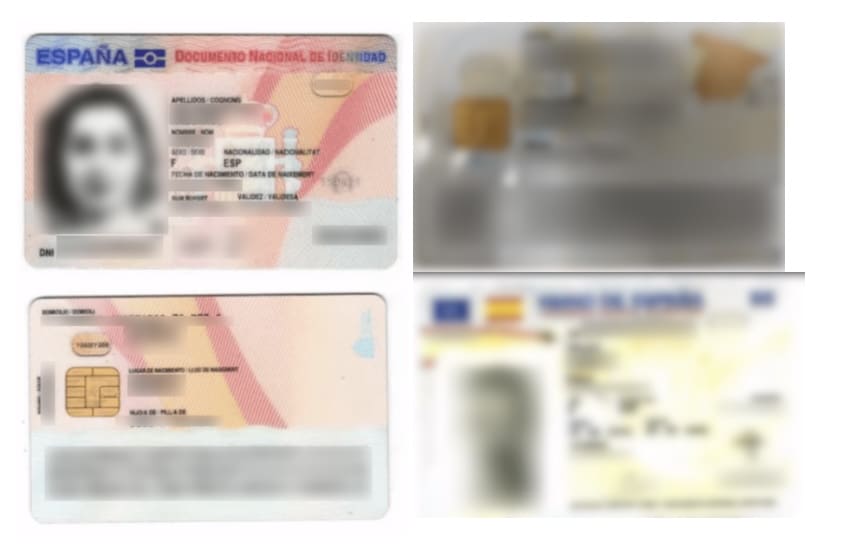
In a digital era where data breaches have become almost a daily occurrence, the recent ransomware incident on spbglobal.com and gocco.com by the notorious “Cactus” group has raised alarms across the cybersecurity landscape. This ransomware incident, disclosed through a post on their dark web site, not only highlights the persistent threat of ransomware but also underscores the dangers of personal information exposure, especially when high-quality national IDs and sensitive personal data are involved. 

The Risks of Exposed Personal Information 

The exposure of personal information, such as high-quality images of national IDs, presents a goldmine for cybercriminals. Such data can be exploited in a myriad of malicious ways. Impersonation becomes trivial; a threat actor can easily assume the identity of a victim to commit fraud, apply for credit, or even create online services and accounts in the victim’s name. The ramifications of this can be devastating, affecting victims’ financial health, reputation, and privacy. 

ransomware incident

Enriched Data: A Double-Edged Sword 

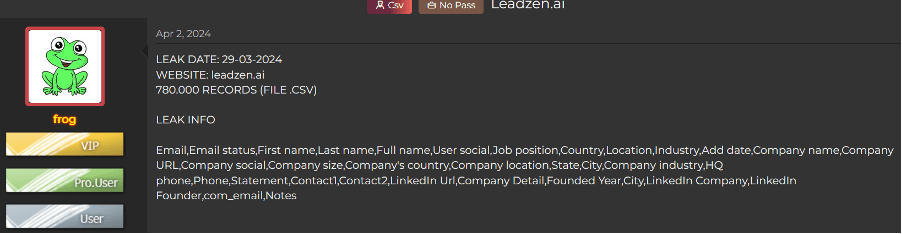
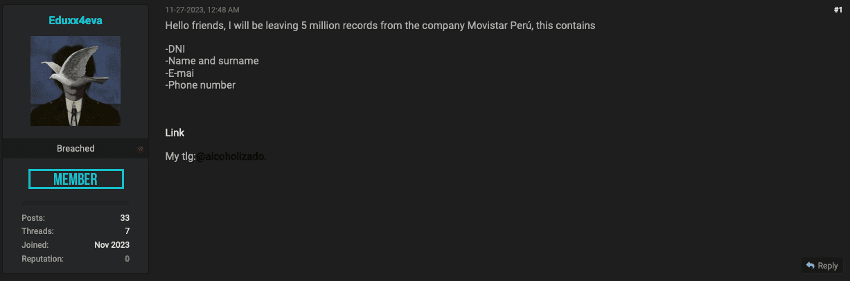
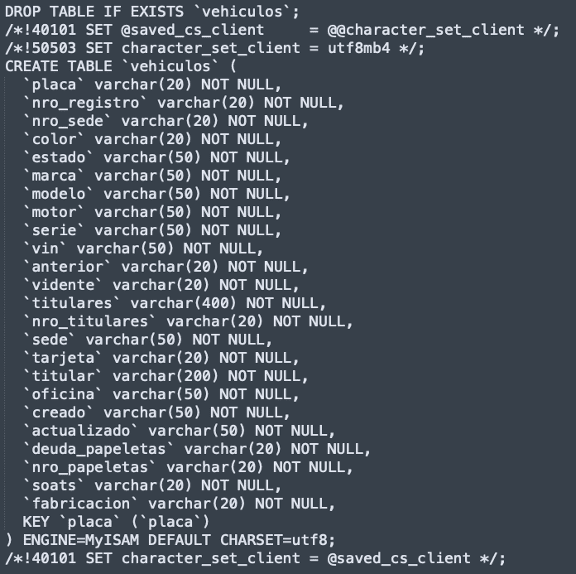
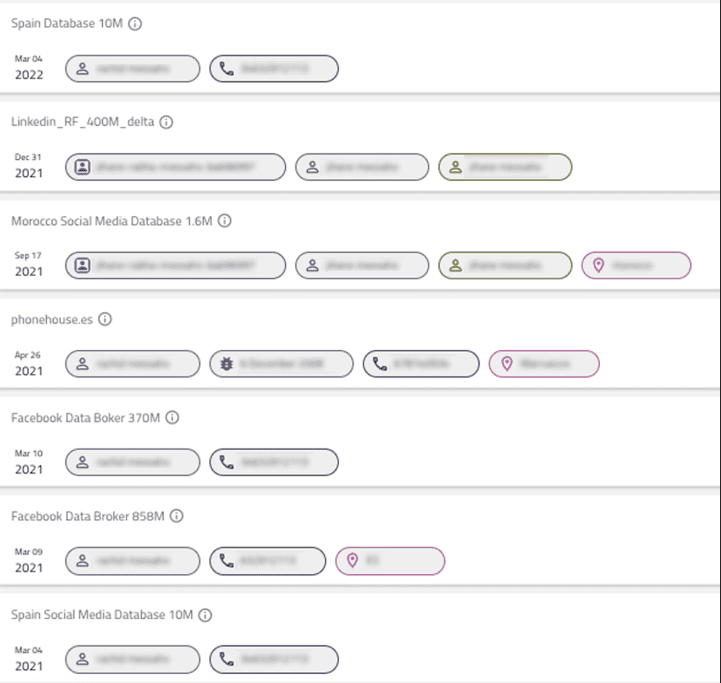
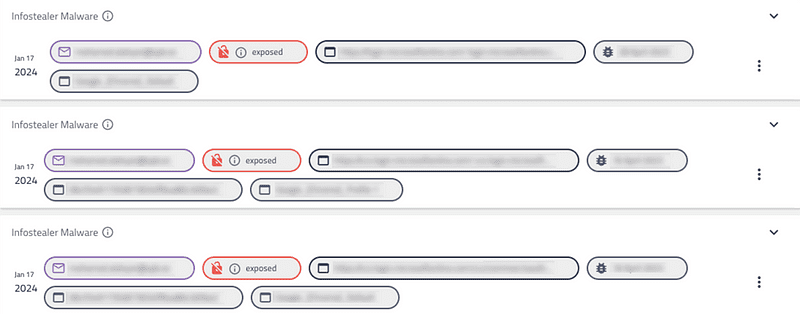
Our preliminary investigation into the exposed identities has revealed a concerning trend: many of the victims’ data were also compromised in previous, well-known data breaches i.e phonehouse.es, scrapped data from LinkedIn, Data broker sites, etc. (Some screenshots from our Hunter tool) 

This enriched data set amplifies the risks significantly. Cybercriminals can leverage the combination of fresh ransomware-exposed data and previously breached information to conduct more sophisticated attacks. For instance, using exposed phone numbers, they can launch targeted SMS phishing (smishing) or voice phishing (vishing) campaigns, tricking victims into revealing additional sensitive information or installing malware on their devices. 
 
Our investigation further revealed that both domains were compromised in previous breaches, making it alarmingly straightforward to access numerous plaintext passwords of potential employees. Even more concerning, both were also exposed in infostealer infections, once again linked to potential employees. This significant security oversight may very well be the root cause of the recent attack. 

The AI Factor: Amplifying the Ransomware Incident Threat 

The advent of AI adds another layer of complexity to the situation. With access to high-quality images and personal details, threat actors can use AI to generate fake, yet highly realistic, documents or identities. This not only expands the surface of attack but also makes it increasingly difficult to distinguish between legitimate and fraudulent identities. The potential for misuse in these ransomware incident scenarios such as deepfake creation, synthetic identity fraud, and more is immense, making it a pressing concern for individuals and organizations alike. 

Protecting Identities in the Digital Age  

In response to these escalating ransomware incidents, Constella Intelligence has positioned itself as a bulwark against identity theft and cyber fraud. By identifying, curating, and analyzing exposed information across the internet, Constella provides a comprehensive defense mechanism. Their proactive approach to monitoring the dark web, forums, and other digital avenues for leaked or stolen data helps mitigate risks before they can be exploited by cybercriminals. 

Our efforts, as a company, are crucial in the current cybersecurity landscape, where the sophistication and frequency of attacks continue to grow. Our work not only aids in immediate threat neutralization but also in building long-term resilience against identity theft and fraud. 

Conclusion 

The ransomware incident on spbglobal.com and gocco.com by the “Cactus” group is a stark reminder of the vulnerabilities inherent in our digital world. As individuals and organizations navigate these treacherous waters, it’s imperative to remain vigilant and proactive in protecting personal information.  

The New Identity Risk AI Model

In the dynamic landscape of cybersecurity, Constella transcends its role as a data company, revolutionizing Identity Risk through cutting-edge AI-driven intelligence. The new AI model leverages Constella’s vast repository of greater than one trillion assets to protect Identity Theft and assess Identity Risk.  

From a Massive Data Lake into an Intelligence Risk Graph 

Constella has transformed its extensive identity data lake, sourced from various internet domains, including the Dark Web and social media, into a sophisticated risk intelligence graph that gathers all the different exposed information from a person through 15 years of activity, providing a complete Surface of Attack and comprehensive Risk Profile. 

A New Era of Identity Theft Protection: AI-Driven Scam Simulations 

As the leader in Digital Identity Theft monitoring, Constella focuses on proactive defense mechanisms against identity theft by scanning underground communities for unauthorized information exposure.  

This new phase introduces an advanced AI model designed to produce simulated hyper-targeted and customized identity scams, serving as a crucial educational and awareness tool. Constella aims to train and educate consumers about potential cyber-attacks by simulating real attacks from a criminal’s perspective. 

Each compromised identity in the hands of criminals represents a potential vulnerability that targeted identity attacks will exploit. The new AI-driven simulations mimic those attacks, building a human firewall to protect themselves in the digital world better. 

An Investigation Copilot to Reveal Bad Actors  

Constella’s data lake also powers fraud, law enforcement OSINT investigation teams Uncover bad actors and insiders with unparalleled depth, enabling a new level of scrutiny in the fight against cyber threats. 

With Constella’s AI model, investigators now have access to an AI Copilot that automates the investigation and assessment of potential bad actors on an unprecedented scale. The actual process of pivoting, finding new data, reviewing, and pivoting again is now done by the Copilot, gaining great efficiency for the investigators. 

Monitoring Identity Risk at Scale to Protect from Fraud 

Leveraging Constella’s data lake with a rich digital history spanning 15 years, the new Constella AI automatically assesses millions of identities, offering fraud teams a powerful new tool to combat online fraud.    

Key applications include: 

Screening at Onboarding (KYC): Identifying and preventing onboarding of bad actors and risky profiles using 15 years of user activity history while preserving privacy. 

Detection of Synthetic Identities: Simulating and scoring the risk of new onboarded users being fake or fabricated. 

Automatic Monitoring of Potential Insiders: Vigilantly tracking organizational activities to promptly identify and address insider threats. 

A Company Transformation into an Intelligence Powerhouse 

The leap from a data-centric company to an intelligence-focused organization marks a significant milestone for Constella. The automation of AI Identity Resolution, coupled with Identity Theft scam generation provided by Generative AI Large Language Models, enables the creation of thorough attack surfaces and customized scam simulations to protect and educate users.  This transition reflects a significant evolution in the fight against cybercrime. Constella, now an intelligence hub, is a testament to innovation’s power in creating a safer digital world. 

Stay informed and prepared. In the digital age, knowledge is not just power but protection. 

Six Steps Protect Corporations From Digital Risk

6 Steps for Digital Risk Protection to Safeguard Your Data

Improve your cybersecurity hygiene and reduce exposure.

Digital risk means compromised credentials or other sensitive data falls into the wrong hands, and it can have serious financial consequences as well as negatively impact your brand reputation.

Protect your employees and organization from digital risk such as credential theft and data leakage that could lead to account takeover, ransomware, and other cyber threats by employing these 6 Steps for digital risk protection:

Prevent identity thieves from impersonating key staff and executives.

Mandate the use of virtual private networks (VPNs), password management applications that automatically change passwords, and multifactor authentication (MFA). Secure, encrypted, remote access to the company’s network reduces the potential for unauthorized access.

Protect corporate brands from online disinformation campaigns.

Continuously monitoring the internet and the Dark Web for organized activity that impersonates or misrepresents your brand. Advance warning alerts protect your corporate reputation from digital risk before it’s too late.

Protect personally identifiable information (PII) for Key Employees and their families.

Proactive employee monitoring uncovers employee compromised credentials for sale on the Dark Web – before phone numbers, locations, and other information can be used to build impersonation profiles.

Minimize ransomware and ATO attacks by securing sensitive employee data and accounts.

Wherever that data might reside. Corporate computers, tablets, and smartphones need standardized security directed by a centralized internal authority. Strongly consider extending protection to personal devices for executives and essential staff.

Strictly segregate corporate and personal devices and accounts.

Avoid using personal laptops or devices for work purposes to ensure that poor digital risk protection & data hygiene outside the office does not put your business at risk.

Mandate cybersecurity awareness training of all employees.

Ongoing training and regular reviews will combat compliance fatigue. Consider ongoing incentives to ensure continued good practices and rapid recognition and reporting for suspicious emails, texts, files, or activity.

Finally, treat this process as a continuous cycle for digital risk protection and reduction rather than a final checklist. Go back to the beginning regularly, starting with a Cyber Exposure Risk Assessment to see if you or your company is at risk.

These steps’ powerful benefits include:

  • Corporate and personal protection for brand equity, finances, credit ratings, and reputation
  • Fewer spam and phishing emails
  • Lower risk of account compromise or credential theft
  • Better control over personal and corporate data usage across the internet

Find out if you have been exposed – FREE.


CHECK YOUR EXPOSURE RISK

Exposure Risk 404

Exposure Risk 404

Error 404

Thank you for your interest in Constella’s Free Exposure Risk results. As Constella is committed to protecting your privacy and data, we only keep your data for two weeks. This link has expired.

Still interested in getting Free Exposure Risk results?

If so, please re-submit your email address and company name here , and we’ll deliver your exposure results in minutes!

The Stealthy Threat: Unveiling the Dangers of Cookie Capture

In the vast realm of cyber threats, where hackers and cybercriminals are constantly honing their skills, one danger that often flies under the radar is cookie capture. Cookies, those innocuous-looking bits of data stored on your computer, play a crucial role in modern web browsing. However, they have also become a prime target for cyber attackers looking to gain unauthorized access to sensitive information. In this blog post, we will delve into the dangers posed by cookie capture in the realm of cyber security and explore how you can safeguard yourself against this stealthy threat.

Understanding Cookies

Cookies are small pieces of data that websites store on your computer to remember information about your interactions. They can store user preferences, login credentials, and even items in your shopping cart. These files are meant to enhance your browsing experience by saving you from having to re-enter information every time you visit a site.

The Dangers of Cookie Capture

  1. Session Hijacking: One of the most significant dangers associated with cookie capture is session hijacking, also known as session replay or session theft. If a hacker manages to intercept your cookie data, they can impersonate you and gain access to your online accounts without needing your login credentials. This can lead to unauthorized access to your email, social media, or even financial accounts.
  1. Cross-Site Scripting (XSS): Cyber attackers can exploit vulnerabilities in websites to inject malicious scripts that capture cookies from unsuspecting visitors. This can allow the attacker to steal user cookies and potentially gain unauthorized access to the victim’s accounts.
  1. Eavesdropping: If you’re using a public Wi-Fi network without proper encryption, attackers can intercept your data traffic and capture cookies as they are transmitted between your device and the websites you’re visiting. This is especially dangerous when browsing sensitive websites such as online banking platforms.
  1. Personalized Attacks: With access to your cookies, attackers can gather personal information about your browsing habits, interests, and online behavior. This data can be used to launch more convincing and personalized phishing attacks.

Mitigation and Prevention

  1. HTTPS Encryption: Always ensure you’re browsing websites that use HTTPS, especially when entering sensitive information. HTTPS encrypts the data transmitted between your device and the website, making it significantly harder for attackers to intercept and capture cookies.
  1. Public Wi-Fi Caution: Avoid using public Wi-Fi networks for sensitive activities, as they are more susceptible to eavesdropping. If necessary, consider using a Virtual Private Network (VPN) to encrypt your internet connection.
  1. Regular Logouts: After using online services, make sure to log out, especially if you’re on a shared or public computer. Logging out invalidates the session cookie, reducing the risk of session hijacking.
  1. Cookie Settings: Review and adjust your browser’s cookie settings to minimize the amount of information stored and shared. Consider blocking third-party cookies, which are often used for tracking.
  1. Security Updates and Antivirus Software: Keep your browsers and operating systems up to date to ensure you’re protected against known vulnerabilities that attackers could exploit. Furthermore, consider running reputable antivirus software, which can be instrumental in detecting known malware and malicious files that can capture your sensitive data, including your session cookies, from your computer without your knowledge.
  1. Subscribe to Identity Monitoring: Unfortunately, despite out best efforts, sometimes our sensitive data can be exposed, even when we take every reasonable step to prevent it. Our data may be exposed unintentionally by a third party, or our personal devices may become infected with malware that captures our credentials and session cookies. Since these exposures often happen without our knowledge, a reputable identity monitoring service can alert you to an exposure as soon as it happens, allowing you to work to resolve the issue as quickly as possible.

Conclusion

In an increasingly interconnected world, the threats to our digital security are constantly evolving. Cookie capture might not be as well-known as some other cyber threats, but its potential for harm is significant. By understanding the risks and implementing preventive measures, you can better protect your online identity, data, and sensitive information from falling into the wrong hands. Stay vigilant, stay informed, and stay secure.


Twitter

Linkedin

Keon Ramezani

Sr. Sales Engineer

Identity Theft Botnet Infostealer Exposures Vs. Breach Exposures: A Comparative Analysis

Identity Theft Botnet Infostealer Exposures Vs. Breach Exposures: A Comparative Analysis

In the realm of identity theft, a deep understanding of the types of threats and their unique implications is critical. Among these threats, two types of exposures frequently rise to prominence because of their capacity to cause substantial harm – Botnet Infostealer exposures and Identity data compromised following a Breach.

While both pose a considerable risk, there are key differences between them. This article delves into a comparative analysis based on four main distinguishing aspects: the target of the exposure, the inclusion of cookie theft, the scope of compromised credentials, and the distinction between risk and incident in device control.

1. Risk of Exposure: Essential Services Vs. Specific Platforms

Firstly, the nature of services compromised during an exposure significantly influences the risk and potential consequences.

In the case of Botnet Infostealer exposures, the targets often include essential services. These encompass institutions like Banks, payment platforms such as PayPal, and important authentication services like Google and Microsoft. The compromise of these services can lead to severe outcomes as they handle highly sensitive data and provide critical functions. For example, an attacker gaining access to a Google account could control a user’s email, cloud storage, location history, and linked devices.

On the contrary, Breach exposures usually pertain to services of lesser criticality. In recent years, we have not witnessed major leaks involving banking or payment systems such as Wells Fargo or PayPal being trafficked in the Dark Web. The same holds true for credentials from industry giants such as Google, Apple, or Facebook. Despite their immense user base and potential for misuse, substantial breaches involving these services have, thankfully, remained absent from darknet trading circles.

When inspecting the compromised data within a Botnet Infostealer package, one is struck by the prevalence of crucial services that are central to our financial wellbeing and digital lives. Such a package will typically include a number of credentials pertaining to various banking institutions and payment systems, alongside almost invariably present credentials from major platforms like Google, Facebook, or Apple. These constitute key components of our digital identities, underlining futher the severity of Botnet Infostealer exposures.

2. Inclusion of Cookie Theft: Circumventing Two-Factor Authentication

The second distinguishing feature lies in the method of access. Botnet Infostealers often incorporate cookie theft as part of their operations. Cookies can hold session tokens or other data that authenticate the user’s identity. If these cookies are stolen, an attacker can impersonate the user and bypass two-factor authentication systems. This opens up a potent avenue for unauthorized access to accounts, even those secured with extra precautions.

In contrast, conventional data breaches almost never involve cookie theft. The information exposed in these cases often includes usernames, passwords, and other personal details but does not usually provide a method to bypass two-factor authentication.

3. Volume of Compromised Credentials: Multiple Vs. Single

The number of credentials exposed in an attack is another key factor in assessing the potential impact. Botnet Infostealer exposures are more expansive, often compromising dozens of credentials from the same computer and, likely, the same person. This means that the attacker could gain access to multiple accounts across a range of services, significantly expanding the potential for damage.

In contrast, Breach exposures are more likely to result in the compromise of a single set of credentials for each user. Although this can still have serious implications, particularly if the exposed credentials are used across multiple services, the immediate impact is typically limited to the specific breached service.

4. Infostealer: A Manifested Incident vs. Breach Exposure: A Latent Risk

An Infostealer exposure is an infection that signifies an incident – a system has been actively compromised. In contrast, a breach exposure represents a risk, posing a potential threat of compromise but not inherently indicating an already occurred intrusion.

In a Botnet Infostealer scenario, the malware often provides the attacker with remote control over the compromised computer. This means that the criminal has the ability to not only steal sensitive data but also manipulate the infected device in various ways, potentially launching further attacks, installing more malware, or even using the infected device as a launchpad for attacks on other systems. Importantly, a Botnet Infostealer infection is not just a risk but an actual incident.

Risk, in this context, refers to the probability of a particular adverse event occurring and its potential impact. An incident, however, is the realization of that risk – the adverse event actually happening. Therefore, when a Botnet Infostealer compromises a system, it’s not a mere possibility of adverse impact; the adverse event has already occurred.

In contrast, conventional data breach scenarios do not typically result in the attacker gaining remote control over affected systems. Instead, these exposures often involve unauthorized access to data stored on a system, but without the ability to directly control or manipulate that system. Here, the risk primarily lies in the potential misuse of exposed data rather than active control of the system.

Conclusion: A Comparative Perspective

While both Botnet Infostealer exposures and Breach exposures pose considerable threats, the potential implications of the former are more profound. The compromise of essential services, cookie theft enabling the circumvention of two-factor authentication, exposure of multiple credentials, and the remote control of the device make Botnet Infostealer exposures an alarming cybersecurity concern.

Nonetheless, the comparison does not diminish the significance of breach exposures. Each type of exposure carries its own unique risks and requires a distinct approach to mitigation and prevention. Therefore, recognizing the differences and understanding the unique dynamics of each threat type is crucial for crafting effective cybersecurity strategies.

Julio Casal

CEO & Founder