
Why Dark Web Monitoring Is No Longer Enough (And What Comes Next)
The problem with how we monitor identity risk today For years, dark web monitoring has been positioned as the frontline defense against compromised credentials and

The problem with how we monitor identity risk today For years, dark web monitoring has been positioned as the frontline defense against compromised credentials and
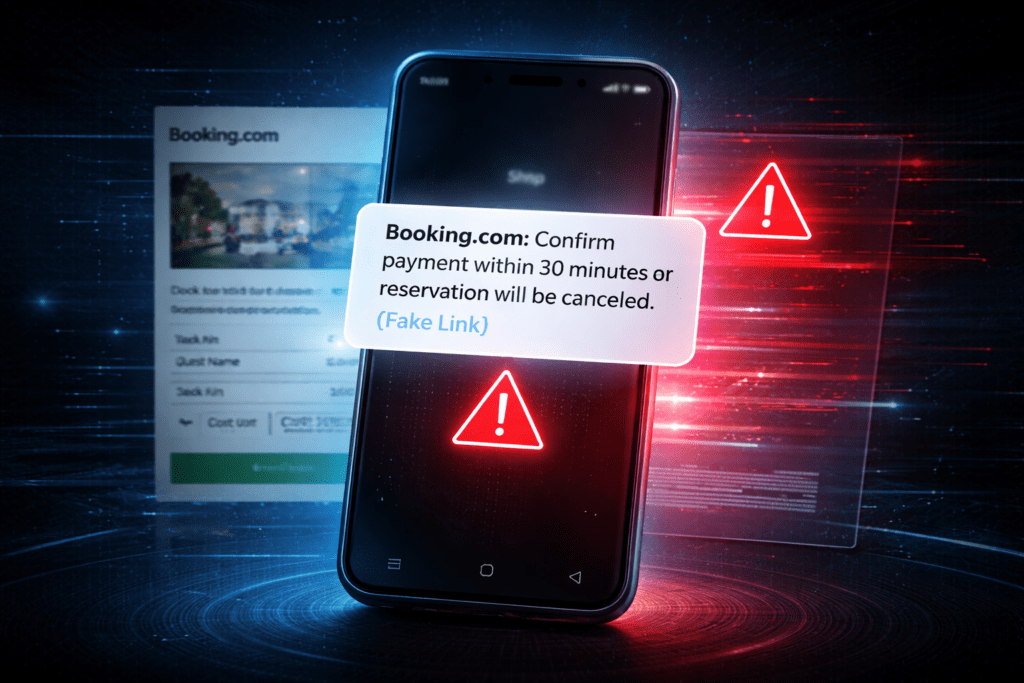
Booking.com’s breach exposed names, phone numbers, and booking details now being used in targeted WhatsApp phishing. Constella explains how the PII-to-smishing pipeline works and what to do about it.

A new category is emerging in cybersecurity For years, organizations have relied on monitoring tools to detect compromised credentials and exposed data. But as identity

Google’s Device Bound Session Credentials are a meaningful step forward against infostealer malware. They also have significant limits that security teams need to understand before
The FBI’s 2025 Internet Crime Report landed with a number that should stop every security leader cold: $20.877 billion in reported cybercrime losses. One million
Security has shifted—but many strategies haven’t For decades, cybersecurity strategies have focused on protecting infrastructure: Firewalls Endpoints Networks But attackers have evolved. Today, they don’t

78% of recently breached organizations had corporate credentials sitting in infostealer logs before the breach was ever detected. The 48-hour window is not a countdown

Iranian state-linked hackers published emails stolen from FBI Director Kash Patel’s personal account. The lesson for every security leader: no title protects you from an

The misconception: more data intelligence equals better security In cybersecurity, there’s a common assumption: More data = more visibility = better protection But in reality,

In the world of cybersecurity, there are “loud” companies, the ones whose logos you see on every corner, and then there are the “backbone” companies.

The 2026 Identity Breach Report marks a definitive shift in the cyber threat landscape, transitioning from simple data collection to what can only be described

Identity risk scoring has become a critical input for fraud prevention, security operations, and trust decisions. Organizations increasingly rely on risk scores to decide when